
Trauma removal – chronic and acute pain
Suitable for adults and children who have gone through or are going through a difficult life situation and need to manage pain and return to normal life.
Therapy performed by Mgr. Michaela Zahrádka Kohlerová
In physiotherapy practice, I have repeatedly met people after an injury, surgery or serious illness who, during rehabilitation, recalled negative experiences and associated strong emotions, unpleasant feelings, memories of traumas they had to go through. The very revival of these memories often led to the cessation of the overall slowdown or even the cessation of the healing process. People were sick during therapy and had a hard time returning to life, or it was not possible at all. In such a situation, it is necessary to treat the tissues, comprehensively, carefully and at the same time help a person to go through the trauma, treat even the mental and psychological part, as carefully as the physical one. The psychomotor-somatic approach leads to the fact that even psychological pain loses sharp edges and dissolves as well as a sore point in a muscle. Both pains, somatic and psychological, then have a chance to leave and not return.
How such therapy takes place:
Most often, the course is such that the child or adult comes to the first visit, which includes an examination and immediately followed by complex therapy. The treatment most often includes work with muscles, fascia (muscle covers), subcutaneous tissue, skin, joints and other components of the musculoskeletal system, in which trigger points, adhesions and other sources of pain and functions of mutual mobility disorders can arise due to disharmony in the body. Therapy also includes treatment of the vascular, lymphatic and nervous systems. Sometimes it is advisable to incorporate sensory integration and focus on respiratory rehabilitation.
The next visit takes place two to three weeks apart. If trauma occurred during the onset of pain, another consultation is appropriate right from the week. During the second session, there is a targeted treatment of the psychological component of the difficulties. Depending on the individual condition, it is often enough just a few therapies in a few weeks. It always depends on the functional disorder of the psychomotor system, or organ dysfunction or other dysfunctions that cause the condition. The most important thing is the client himself, what he really needs and what is the source of his difficulties.
In the treatment of trauma, there is a unique opportunity to contact the therapist by e-mail, or to call if there is a reaction that surprises the client or he needs to consult her. The client is not alone at the mercy of his trauma, but has the opportunity to talk about the feelings that manual intervention has evoked or revived in him, to talk and understand them, to get rid of them or, on the contrary, to use them in the process of positive change and improvement of the quality of life.
For whom the method is suitable:
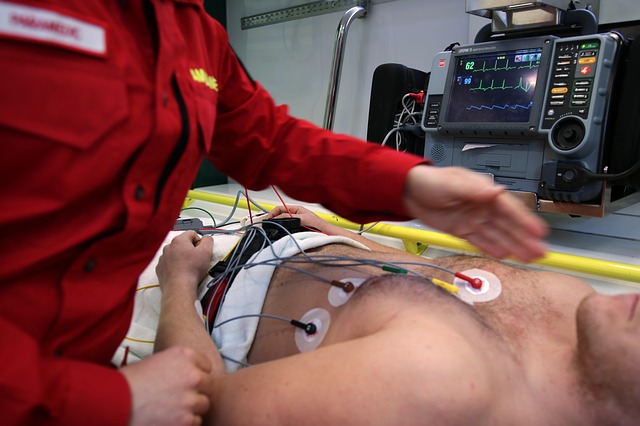
– conditions after COVID
– conditions after undergoing any other more serious illness with persistent difficulties associated with the musculoskeletal, neurological, vascular and lymphatic systems
– post-traumatic conditions, polytrauma
– painful conditions
– conditions after craniotrauma
– conditions after heavy operations
– conditions in chronic illnesses, which are medically compensated, but persistent pain
The aim of therapy:
– return to normal life
– removal of pain
– improvement of momentum
– establishment of an optimal healing process
Learn more about trauma as a source of musculoskeletal problems:
Sometimes really psychological trauma is worse than the tissue damage itself, but you can not get to it than through touch and treatment of a sore spot on the body. Subsequently, it is possible to talk about feelings and get rid of fear, a sense of injustice, abandonment, guilt and others.
Experts in visceral and neural manipulation mention that tissues have their memory, and therefore their healing is conditioned precisely by how they were damaged, so the healing process must include all components and conceive of rehabilitation in a truly comprehensive way.
The human biorhythm is circadian. Modern chronobiology deals with cellular processes in organisms. In the human body, it has been discovered that each cell has its own rhythm, which, if disturbed, for example, due to stress, illness or a painful condition, can lead to serious problems both at the cellular level and in the whole organism. Therefore, it is necessary to pay attention to the establishment of harmony and the elimination of stress and unnecessary pain in the healing and recovery process.
Long-term stress can arise due to chronic somatic and mental illness, may have psychological roots and is present in lengthy (prolonged) healing and other conditions associated with chronic or acute pain. The stress reaction, especially if it is chronified, negatively affects the function of many organs and the cardiovascular apparatus, but also directly negatively affects the functioning of the immune system. Life without short stress periods is not possible, but long-term and unreasonable stress leads to the most negative impacts on life and its quality.
The method of treating trauma includes:
reflex methods, methods of influencing organ facies, influencing the peripheral and central nervous system, manual lymphatic drainage, psychotherapeutic counseling, relaxation techniques, manual techniques, lifestyle and movement regime counseling, respiratory rehabilitation and methods of training concentration and active relaxation.