
Treatment of prolapsed disc
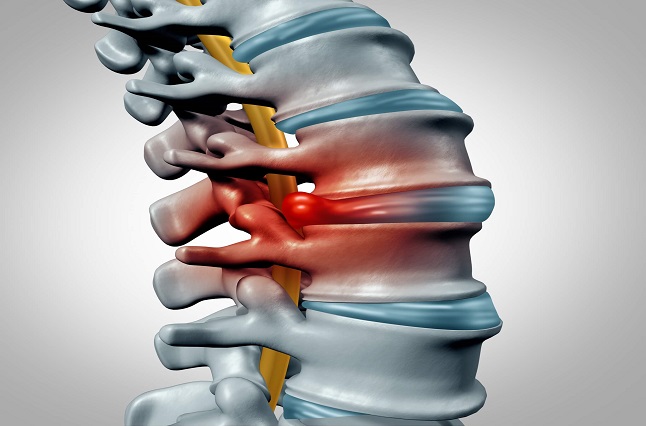
Most of us imagine that having a prolapsed disc or disc hernia in the spine is a problem from which there is no way out and can only be solved by an operation. At the same time, disc hernias in the lumbar spine, after the age of thirty, occurs in about 70% of the population, however not all cases have difficulties. Does that mean that the outbreak itself doesn’t matter at all?
The truth is that if a disc hernia arises, it is to some extent an irreversible damage. However, this doesn’t mean there will be permanent physical difficulties. Under good and healthy conditions, the human organism has large self-repair mechanisms that largely contribute to a stable recovery.
For the majority of people who suffer from disc hernias, conservative treatment provides enough relief and successful recovery. What leads to long-term results is undergoing a program of physiotherapy including specific therapeutic exercises. These are usually very gentle exercises that do NOT provoke pain, alleviate muscle tensions and strengthen back and core muscles to increase support and stability. This eventually decreases the compression on the discs, allows any swelling to subside and prevent the hernia from being ‘pushed’ into the canal. From that, exercise therapy, when done correctly, may provide quick relief (even within a day) but for healthy long-term effects, compliance and patience is required from the patient.
Read more in the following articles about the prolapsed disc and the treatement.
Don’t let a prolapsed disc stop you, it’s not the end!
A prolapsed disc: What to do in its acute phase